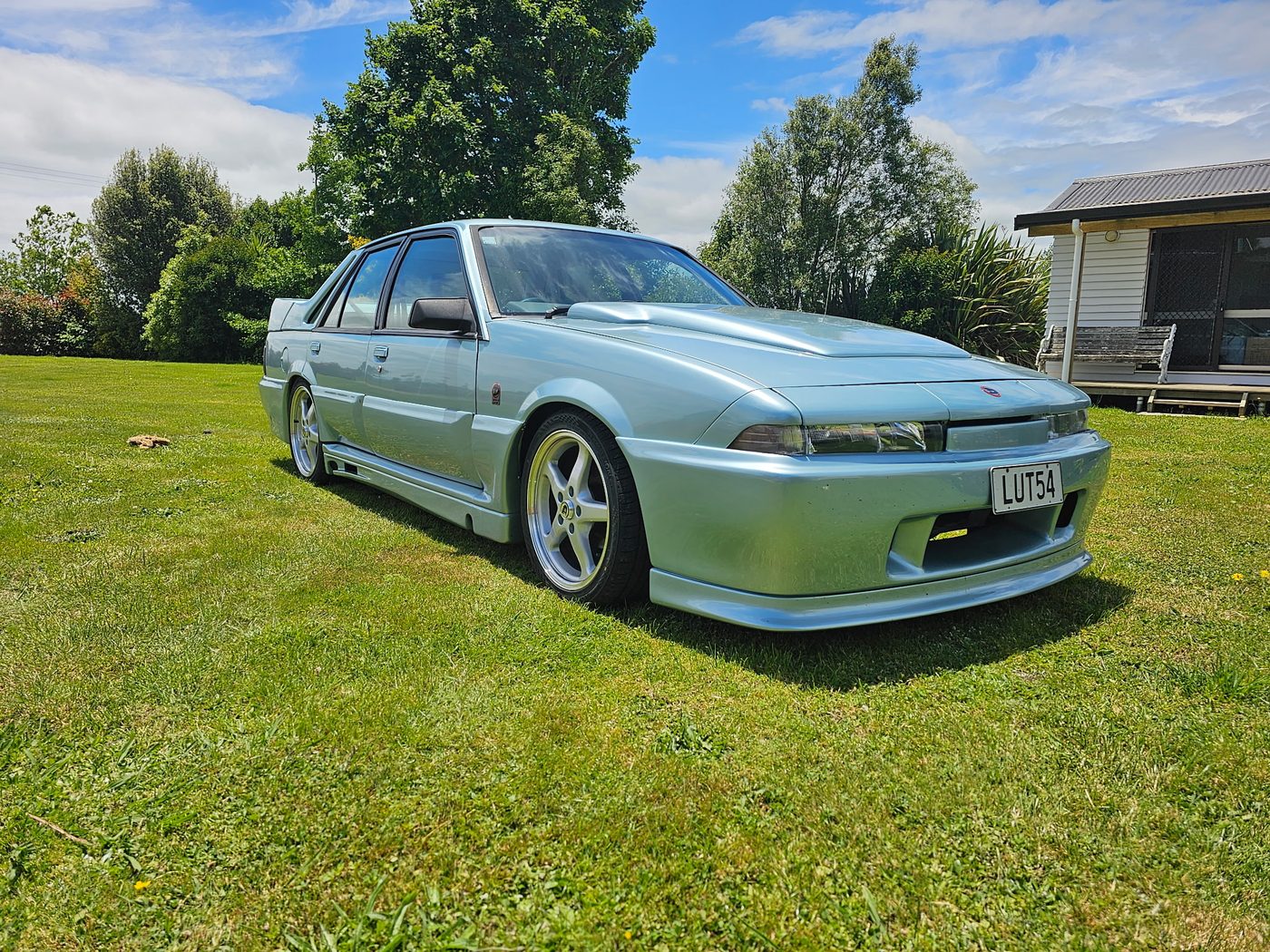
Underbody coating is a protective layer sprayed onto the underside of your car — the chassis rails, floor pans, sills and box sections — to seal the steel away from the water, salt and grit that cause rust. Think of it as a raincoat for the part of your car you never see, but the part that holds everything together. Here’s how it works, the types you’ll hear about, and why it matters more in New Zealand than most people realise.
What it actually protects
Your car’s paint protects the panels you can see. Underneath, the structural steel is mostly bare or thinly coated from the factory — and that’s exactly where road spray, mud and coastal salt collect and sit. Underbody coating targets the spots that rust first:
- Chassis rails — the backbone of the car, and the most expensive thing to repair.
- Floor pans — flat, horizontal, and a magnet for trapped moisture.
- Sills and box sections — hollow, hard to drain, and rust from the inside out.
- Suspension and subframe mounts — where rust turns into a WOF fail fast.
The main types of underbody coating
| Type | How it behaves | Best for |
|---|---|---|
| Wax-based | Stays slightly soft, self-heals minor scratches, creeps into seams. | Ongoing protection, cavities and box sections. |
| Oil-based | Penetrates rust and seams, needs reapplying periodically. | Older cars and existing surface rust. |
| Rubberised | Dries to a tough, thick skin; also dampens road noise. | Underbody panels and stone-chip areas. |
| Bitumen / underseal | Hard, durable shell — but can crack and trap water if it lifts. | Heavy-duty areas, applied carefully over clean steel. |
The product matters less than the prep. Any coating laid over dirt, moisture or untreated rust will fail — and seal the rust in where you can’t see it. Done properly, the underside is washed, dried and any rust treated before a drop of coating goes on. That’s the part the cheap jobs skip.
Why NZ cars need it more than most
Forget the American road-salt horror stories — our rust comes from somewhere different. New Zealand serves up salt-laden coastal air, long wet winters, and metal (gravel) roads that fling grit and moisture into every seam. A car that lives near the beach or runs rural roads is working against rust every single day. That’s why a Waikato car that looks mint on top can be crumbling underneath.
A quieter ride, for free. There’s a bonus most people don’t expect: a good underbody coat deadens road and stone noise. Drivers often describe it as putting ear muffs on the car — a noticeably comfier ride on metal roads.
Does it help or hurt a WOF?
It helps — as long as it’s done honestly. A WOF inspector needs to confirm the structural steel isn’t hiding rust, so the right approach is to treat any existing rust first, then coat clean metal. Slapping underseal over rust to hide it is exactly what fails a WOF and what we don’t do. Coating sound steel protects it and keeps you passing.
Not sure what's under your car? Bring it into Frankton — we'll put it on the hoist and tell you straight what it needs. Call 07 847 9302
When's the best time to do it?
Before rust appears. The ideal time is on a newer or recently-bought car, especially if it lives near the coast or on gravel — you’re protecting clean steel. Older cars still benefit; just expect some rust treatment to be part of the job. Either way it’s the cheapest insurance policy your car will ever get — see what our underbody coating and rustproofing service includes. Wondering if it’s worth the spend on your car? See Is Underbody Coating Worth It? and what it costs in NZ.
What is underbody coating in simple terms?
It’s a protective layer sprayed under your car to seal the chassis, floor pans and sills away from the water, salt and grit that cause rust — a raincoat for the underside.
Is underbody coating the same as rustproofing?
They overlap. “Rustproofing” usually covers the whole approach — underbody coating plus cavity wax inside the sills and box sections. We do both as one job.
Can underbody coating hide rust and fail a WOF?
Only if it’s done badly. Coating sprayed over existing rust seals the problem in and can fail a WOF. Done right, rust is treated first and only clean steel is coated.
How long does underbody coating last?
A properly applied automotive coating lasts many years. A quick inspection every 2–3 years to touch up stone damage keeps it working.